7-Day Nigerian Weight Gain Meal Plan: A Complete Guide to Gaining Weight Naturally and Healthily
Disclaimer: The information on EatSmartNaija is provided for educational purposes only and is not a substitute for professional medical advice, diagnosis, or treatment. If you have an underlying health condition or unexplained weight loss, speak with a qualified healthcare professional.
Gaining weight is not simply about eating as much food as possible. Healthy weight gain involves eating enough calories while giving your body the protein, healthy fats, vitamins, minerals, and other nutrients it needs to function properly.
Eating large amounts of sugary snacks, soft drinks, pastries, or heavily fried foods may increase your calorie intake, but these foods should not be the foundation of a healthy weight-gain diet.
If you have always struggled to gain weight, you are not alone. Some people find it difficult to gain weight because of a naturally low appetite, high physical activity, inconsistent eating habits, stress, recovery from illness, or simply not eating enough to meet their body’s energy needs.
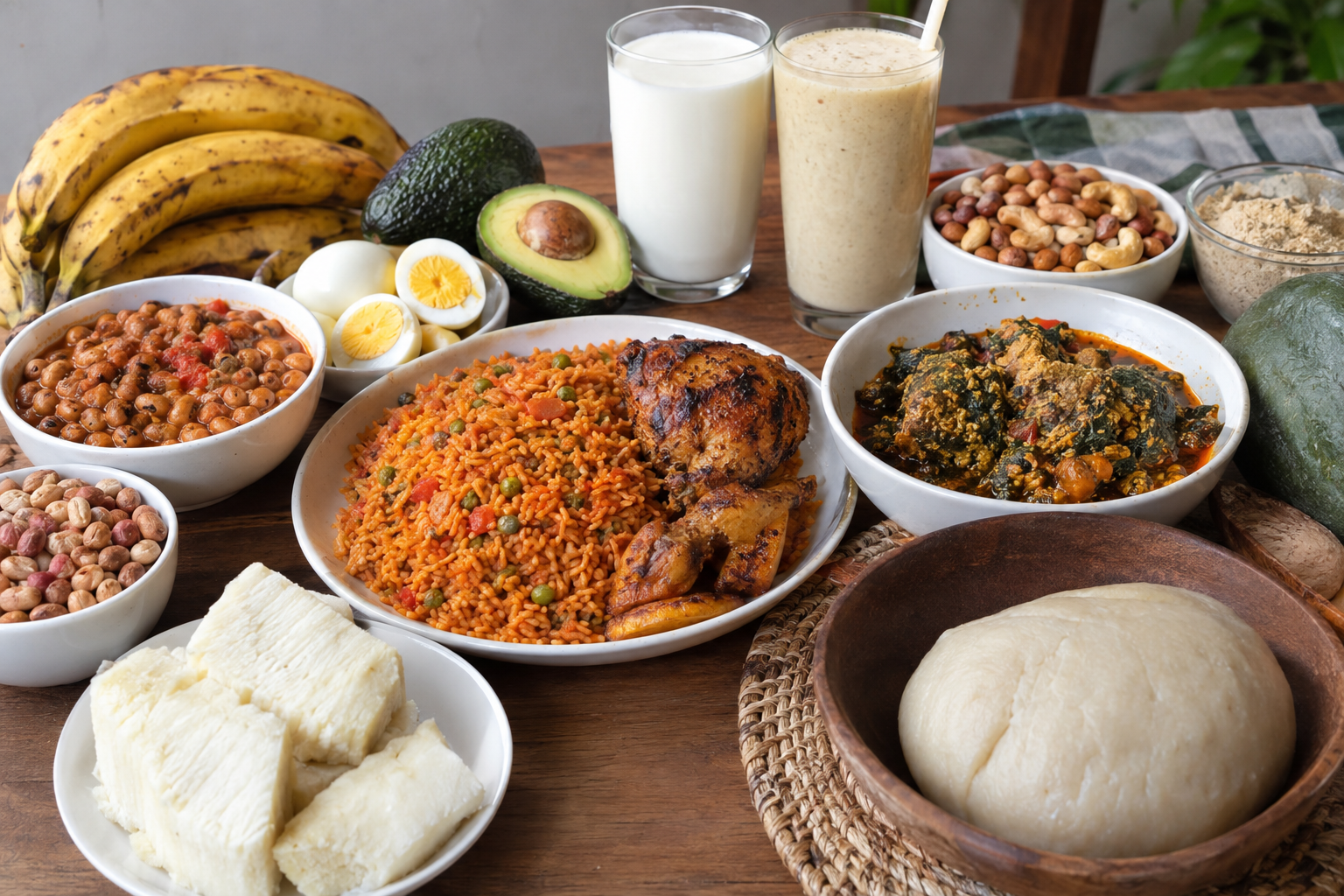
Foods such as rice, yam, beans, plantain, potatoes, oats, bread, eba, akpu (fufu), and nutrient-rich soups can provide energy and calories. When combined with protein-rich foods such as eggs, fish, chicken, beef, milk, and beans, they can form satisfying meals that support healthy weight gain.
In this guide, you will find a practical 7-day Nigerian weight gain meal plan, healthy snack ideas, useful nutrition tips, and answers to common questions about gaining weight. This 7-Day Nigerian Weight Gain Meal Plan is designed around familiar Nigerian foods that can make healthy eating easier to follow.
Whether your goal is to regain weight after an illness, support muscle growth, or reach a healthier body weight, this meal plan can help you make more informed food choices.
What Does Healthy Weight Gain Mean?
Healthy weight gain means increasing your body weight while supporting your overall health and nutritional needs. Rather than focusing only on the number on the scale, the goal is to eat nutritious foods that provide enough calories, protein, healthy fats, vitamins, minerals, and fibre.
A common mistake is to rely heavily on cakes, sweets, sugary drinks, fast food, and other highly processed foods because they contain plenty of calories.
Although these foods can increase calorie intake, regularly consuming large amounts of them may provide fewer essential nutrients than a balanced diet.
A healthier weight-gain diet should include:
- Carbohydrates for energy
- Protein to support muscle growth and repair
- Healthy fats to increase calorie intake
- Fruits and vegetables for vitamins, minerals, and fibre
- Dairy or suitable alternatives for protein and other nutrients
The goal is to increase your food intake gradually while maintaining a balanced diet and supporting your strength, energy, and overall wellbeing.
Why Do Some People Find It Difficult to Gain Weight?
Gaining weight can be challenging for several reasons. Understanding some of the possible factors can help you make better decisions about your diet and lifestyle.
1. Low Appetite
Some people naturally have a small appetite or frequently feel full before eating enough food. Skipping meals can make it difficult to consume enough calories throughout the day.
2. High Physical Activity
People who exercise frequently or perform physically demanding jobs may burn a significant amount of energy. If they do not eat enough to replace those calories, gaining weight can be difficult.
3. Recovery After Illness
Illness can sometimes lead to temporary weight loss because of reduced appetite, changes in eating habits, or increased nutritional needs during recovery.
If you have experienced significant or unexplained weight loss, it is important to speak with a healthcare professional rather than assuming that diet alone is the cause.
4. Inconsistent Eating Habits
Skipping breakfast, missing meals, or eating very small portions throughout the day can make it difficult to consume enough calories for gradual weight gain.
5. Stress and Poor Sleep
Stress and inadequate sleep can affect appetite, eating habits, recovery, and daily energy levels. Establishing regular meals and a consistent sleep routine may help support healthier habits.
Important: If you are losing weight without trying, or you have persistent symptoms such as prolonged diarrhoea, fever, severe tiredness, persistent poor appetite, or other unexplained symptoms, seek medical advice.
Best Nigerian Foods for Healthy Weight Gain
Nigeria has a wide variety of affordable foods that can fit into a healthy weight-gain diet.
The key is not simply choosing foods that are high in calories. Combining carbohydrates, protein, healthy fats, fruits, vegetables, and other nutrient-rich foods can help you build more balanced meals.

Rice
Rice is a convenient source of carbohydrates and can be used in many different Nigerian meals.
For a more balanced weight-gain meal, pair rice with foods such as beans, chicken, beef, fish, eggs, vegetables, or a nutritious stew.
Yam
Yam provides carbohydrates and can be prepared in several ways, including boiled, roasted, fried, or pounded.
For a balanced meal, pair yam with foods such as egg sauce, vegetables, fish, or other protein-rich foods.
Plantain
Plantain provides carbohydrates and can be prepared in different ways, including boiling, roasting, frying, or adding it to porridge.
Both ripe and unripe plantain can fit into a balanced diet.
Beans
Beans provide protein, carbohydrates, fibre, and several important nutrients.
They can be eaten alone or combined with foods such as rice, plantain, or bread to create filling meals.
Akpu (Fufu)
Akpu, also known as fufu, is a carbohydrate-rich Nigerian staple commonly eaten with soups.
Pairing it with nutritious soups such as egusi, ogbono, vegetable, bitterleaf, or oha soup, along with fish or meat, can create a substantial meal.
Eba
Eba is another popular Nigerian carbohydrate source made from cassava.
The overall nutritional value of an eba meal depends greatly on the soup and protein served with it, so combining it with vegetables, fish, meat, or other protein sources can create a more balanced meal.
Eggs
Eggs are a convenient source of high-quality protein and can be prepared in many different ways.
They can be added to meals such as rice, yam, bread, beans, or plantain.
Milk
Milk provides protein, calcium, and calories. Whole milk can be particularly useful for people who tolerate dairy and want to increase their calorie intake.
Groundnuts
Groundnuts are energy-dense and provide healthy fats, protein, and calories.
A small handful can make a convenient snack between meals.
Avocado
Avocado provides unsaturated fats, fibre, and calories.
It can be added to bread, salads, smoothies, or eaten alongside other meals.
7-Day Nigerian Weight Gain Meal Plan
This 7-Day Nigerian Weight Gain Meal Plan provides practical meal ideas for adults who want to increase their calorie intake while maintaining a balanced diet. Portion sizes should be adjusted according to your appetite, activity level, nutritional needs, and individual goals.
Safety Note: If you have a medical condition such as diabetes, kidney disease, digestive problems, or another health concern, speak with a healthcare professional before making major changes to your diet. This meal plan is intended for adults and should not be used as a standard diet plan for infants or young children.
Day 1

Breakfast
A bowl of Tom Brown prepared with whole milk, 2 boiled eggs, and 1 medium banana.
Mid-Morning Snack
A handful of roasted groundnuts and an orange.
Lunch
White rice with beans, grilled chicken or beef, and a side of vegetables.
Afternoon Snack
Plain full-cream yoghurt with a handful of cashews or groundnuts.
Dinner
Akpu (fufu) with egusi soup prepared with fish and lean meat.
Day 2
Breakfast
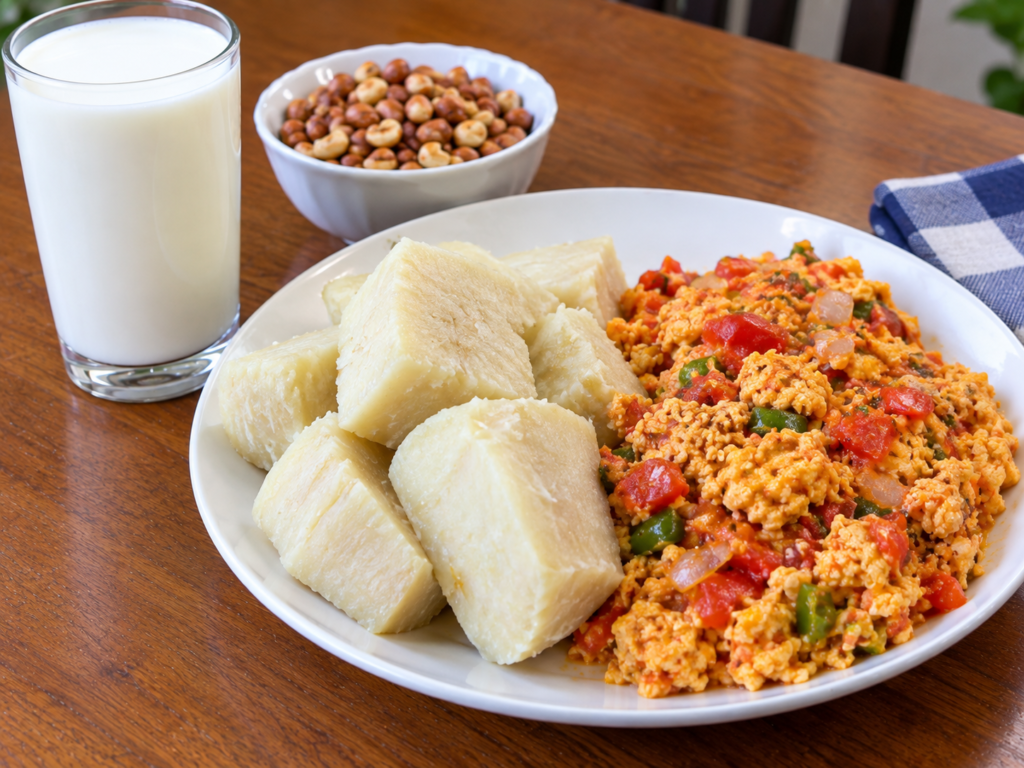
Whole-wheat bread with a two-egg vegetable omelette and a glass of whole milk.
Mid-Morning Snack
One banana with a handful of roasted groundnuts.
Lunch
Boiled yam with egg sauce prepared with fresh tomatoes and onions.
Afternoon Snack
Full-cream yoghurt with sliced pawpaw.
Dinner
Eba with ogbono soup, mackerel fish, and beef.
Day 3

Breakfast
Oats cooked with whole milk and topped with banana slices and groundnuts.
Mid-Morning Snack
Fresh coconut pieces.
Lunch
Nigerian jollof rice with grilled chicken and mixed vegetables.
Afternoon Snack
Sliced avocado with whole-wheat bread.
Dinner
Akpu with oha soup containing fish and meat.
Day 4

Breakfast
Two pieces of moi moi, a bowl of pap prepared with milk, and one boiled egg.
Mid-Morning Snack
A small serving of dates and roasted groundnuts.
Lunch
Boiled ripe plantain with vegetable sauce and fresh fish.
Afternoon Snack
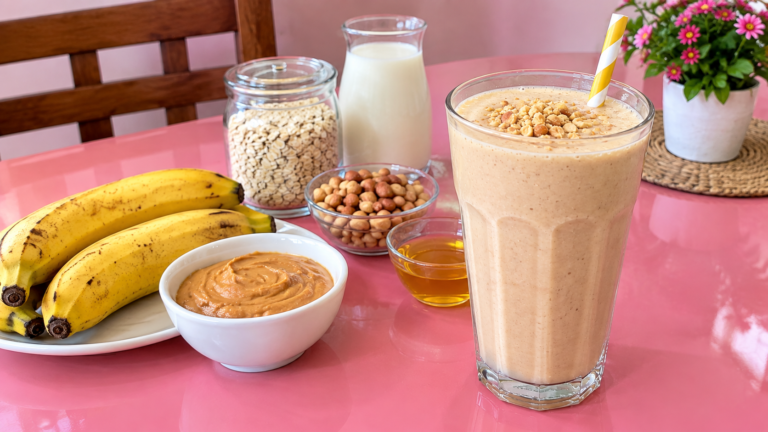
A homemade smoothie made with banana, milk, and oats.
Dinner
Pounded yam with egusi soup, beef, and fish.
Day 5

Breakfast
Tom Brown prepared with whole milk and topped with sliced banana.
Mid-Morning Snack
Full-cream yoghurt with a handful of cashew nuts.
Lunch
White rice with tomato stew and grilled fish.
Afternoon Snack
Fresh avocado slices with a small amount of honey.
Dinner
Eba with Afang soup, chicken, and fresh fish.
Day 6

Breakfast
Three slices of whole-wheat or regular bread with natural peanut butter and a glass of whole milk.
Mid-Morning Snack
An apple and a handful of roasted groundnuts.
Lunch
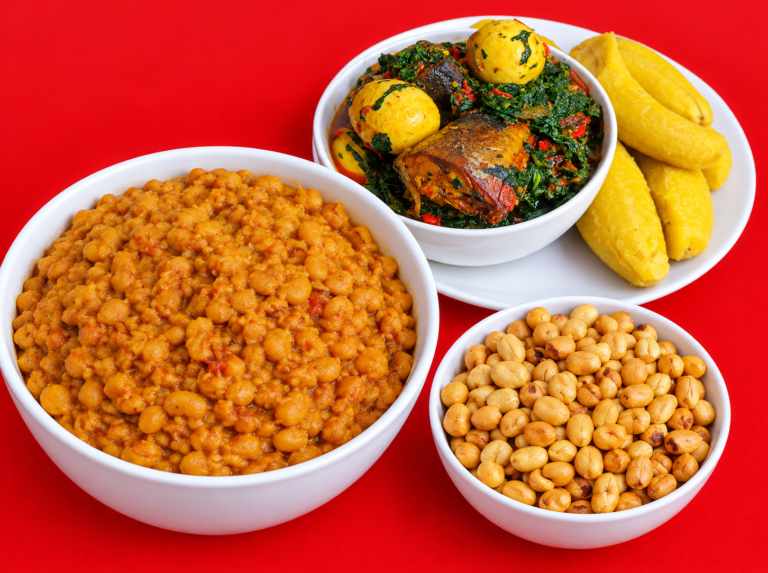
Beans with fried ripe plantain and a boiled egg.
Afternoon Snack
Plain full-cream yoghurt.
Dinner
Akpu with bitterleaf soup prepared with lean meat and stockfish.
Day 7
Breakfast
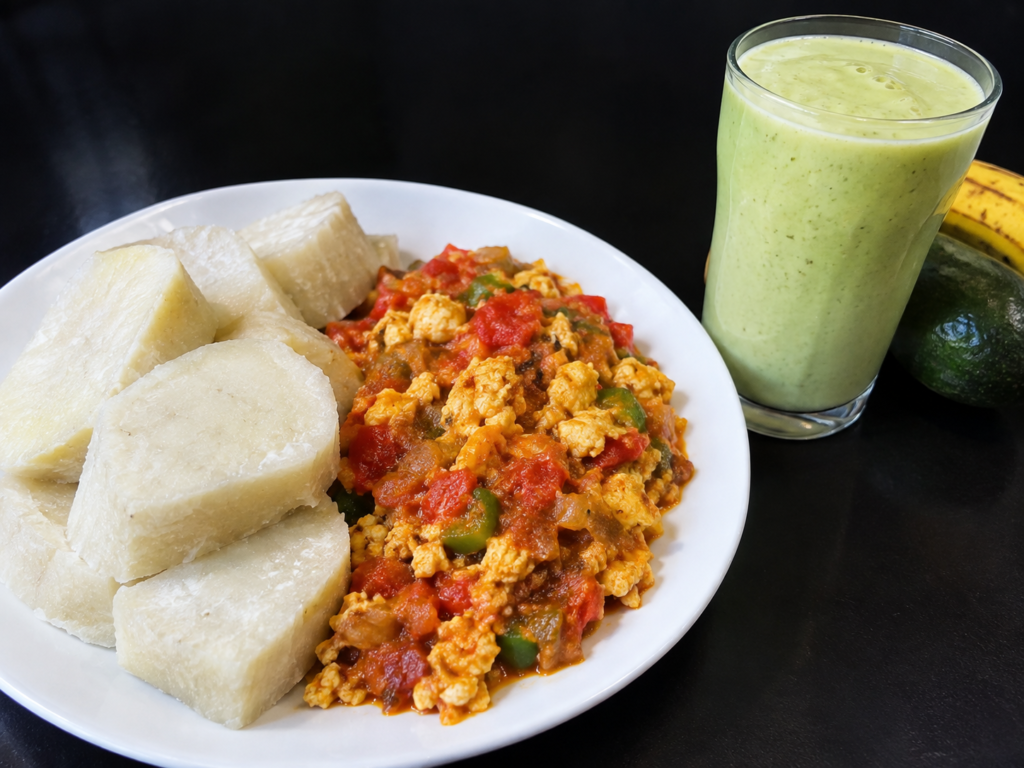
Fried or boiled yam with egg sauce and a glass of whole milk.
Mid-Morning Snack
Roasted groundnuts with sliced garden eggs.
Lunch
Fish pepper soup with boiled agidi or boiled yam.
Afternoon Snack
A creamy avocado-banana smoothie.
Dinner
Pounded yam with vegetable soup containing chicken and dried fish.
Healthy Snack Ideas for Weight Gain
If you struggle to eat large meals, adding nutritious snacks between meals can make it easier to increase your daily calorie intake.
Some practical options include:
- Groundnuts
- Cashew nuts
- Bananas
- Avocado
- Full-cream yoghurt
- Whole milk
- Bread with peanut butter
- Dates
- Boiled eggs
- Homemade banana and milk smoothies
- Fruit with yoghurt
Tips for Gaining Weight Healthily
Eat Regularly
Try not to skip meals. Eating regular meals and snacks can make it easier to consume enough calories throughout the day.
Increase Portions Gradually
If you normally eat small portions, increase them gradually rather than forcing yourself to eat very large meals at once.
Include Protein
Include foods such as eggs, beans, fish, chicken, beef, milk, yoghurt, and other protein-rich foods as part of your meals.
Add Healthy Fats
Foods such as avocado, groundnuts, peanut butter, and nuts can increase the energy content of meals without requiring very large portions.
Stay Consistent
Healthy weight gain takes time. Focus on consistent eating habits rather than trying to gain a large amount of weight in a very short period.
Consider Strength Training
If your goal includes building muscle, combining adequate nutrition with appropriate resistance or strength training can support muscle development.
Frequently Asked Questions About Weight Gain
Can I gain weight by eating Nigerian foods?
Yes. Many Nigerian foods can be part of a healthy weight-gain diet. Foods such as rice, beans, yam, plantain, eggs, fish, milk, groundnuts, and nutritious soups can provide calories and essential nutrients.
How many meals should I eat to gain weight?
There is no single number of meals that works for everyone. Some people prefer three larger meals, while others find it easier to eat three meals with one or two nutritious snacks between them.
Is rice good for weight gain?
Rice can be included in a weight-gain diet because it provides carbohydrates and energy. Pairing it with protein, vegetables, and healthy fats can make the meal more balanced.
Are eggs good for gaining weight?
Eggs provide protein and other nutrients and can be included as part of a balanced weight-gain diet. They can be combined with foods such as bread, rice, beans, yam, or plantain.
Can I gain weight without eating junk food?
Yes. You do not need to rely on sugary drinks, sweets, or fast food to increase your calorie intake. Nutrient-rich foods can provide calories while also supplying protein, healthy fats, vitamins, and minerals.
How quickly can I gain weight?
The rate of weight gain varies from person to person. A gradual approach is generally more sustainable than trying to gain a large amount of weight very quickly.
When Should You See a Doctor About Weight Loss?
Unexplained or ongoing weight loss should not automatically be treated by simply eating more food.
If you are losing weight without trying, have a persistent loss of appetite, ongoing diarrhoea, prolonged fever, severe tiredness, or other concerning symptoms, speak with a qualified healthcare professional.
Final Thoughts
This 7-Day Nigerian Weight Gain Meal Plan is designed to provide practical meal ideas using familiar Nigerian foods.
Healthy weight gain is about more than simply eating more food.
A balanced Nigerian diet can provide many of the foods needed to support healthy weight gain, including rice, beans, yam, plantain, eggs, fish, milk, groundnuts, vegetables, and nutritious soups.
Focus on eating consistently, choosing nutrient-rich foods, getting enough protein, adding healthy sources of calories, and giving your body time to respond.
If your weight loss is unexplained or you have ongoing symptoms, seek professional medical advice rather than relying on a meal plan alone.
What is your favourite meal on this 7-day Nigerian weight gain meal plan?
Share your favourite in the comments, and if you know someone who is trying to gain weight healthily, share this guide with them.