
12 Cheap Nigerian Foods for Healthy Weight Gain
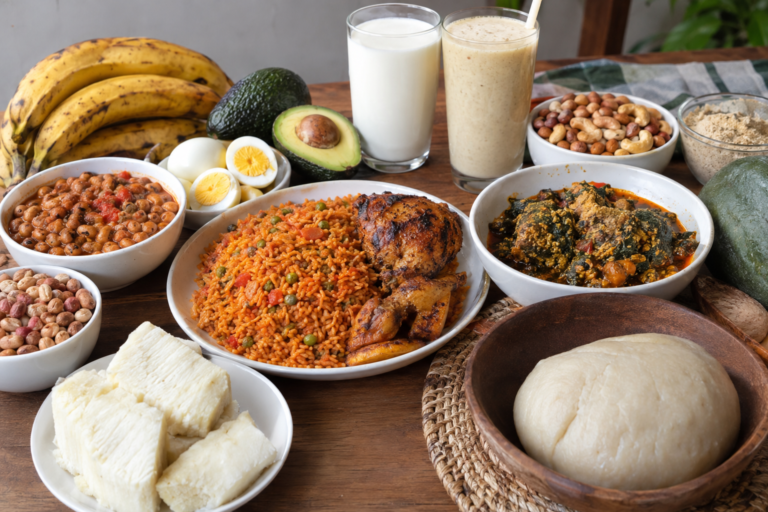
Gaining weight in a healthy way does not have to mean spending a fortune on food or buying expensive weight-gain supplements. In Nigeria, many everyday foods can help you increase your food intake, meet your nutritional needs, and can make you gradually gain weight when combined in the right way.
The challenge is knowing what to buy, how to combine different foods, and how to make the most of your food budget. For example, beans, eggs, groundnuts, rice, yam, and other familiar Nigerian foods can contribute to a balanced diet without requiring you to shop for imported or expensive ingredients.
However, eating more is only part of the picture. Your body also needs protein, carbohydrates, healthy fats, vitamins, and minerals to support normal growth, muscle development, and overall health.
In this guide, we will explore 12 affordable Nigerian foods that can support healthy weight gain, explain their nutritional benefits, and show you practical ways to include them in your everyday meals. You will also learn how to combine these foods and make smarter shopping decisions when money is tight.
12 Cheap Nigerian Foods for Healthy Weight Gain
The good news is that you do not need an entirely different diet to work towards healthy weight gain. Many foods already found in Nigerian markets and kitchens can help you get more energy and important nutrients from your meals.
The key is to choose foods that suit your budget, eat a variety of them, and combine carbohydrates with protein sources and other nutrient-rich ingredients. Here are 12 options worth considering.
1. Beans
Beans are one of the most useful foods to consider when planning affordable meals for healthy weight gain. They provide plant-based protein, carbohydrates, fibre, and several important minerals. Their combination of nutrients makes them a practical addition to meals for people who want to eat well without spending too much.
One advantage of beans is their versatility. You can prepare them as plain cooked beans, bean porridge, akara, or moi moi. They also pair well with rice, yam, plantain, and other familiar Nigerian foods.
For example, a plate of beans served with ripe plantain provides a combination of carbohydrates and protein. Adding a little vegetable or another suitable ingredient can make the meal more varied.
Budget tip: Buy beans in quantities that fit your budget, compare prices at different markets, and cook enough for more than one meal when you can store the leftovers safely.
Beans can be particularly helpful when you need an affordable source of plant protein, although portion sizes and preparation methods will influence the overall nutritional value of your meals.
2. Eggs
Eggs are a convenient source of high-quality protein and provide nutrients such as vitamin B12, choline, and selenium. They can be useful for people who want to gain weight while supporting muscle growth and maintaining a balanced diet.
One reason eggs are worth including in your meals is that they are easy to prepare and work well with many Nigerian dishes. You can boil them, scramble them, or prepare them as egg sauce to serve with yam, rice, bread, or boiled potatoes.
For a simple meal, try boiled eggs with bread and a glass of milk, if it fits your budget. You can also add an egg to a meal of rice and vegetables to increase its protein content.
Budget tip: Compare the cost of eggs in your area and buy what you can comfortably afford. You do not need to eat eggs at every meal; beans, soybeans, and other protein-rich foods can also contribute to your daily needs.
3. Garri
Garri is a familiar staple in many Nigerian homes, and its affordability makes it an option worth considering when planning meals on a budget. It is made from cassava and provides carbohydrates, which supply the body with energy.
Garri can be prepared as eba and served with soups such as okra, ogbono, or vegetable soup. These combinations can provide a broader range of nutrients than eating garri alone, especially when the soup contains beans, fish, meat, or other protein sources.
Some people also enjoy soaked garri with groundnuts and milk. Depending on the quantities used, this combination can provide carbohydrates, protein, and fats in one meal or snack.
However, garri should not be your only source of nutrition. Its protein content is low, so pairing it with protein-rich foods and other nutrient-dense ingredients is important.
Budget tip: Budget tip: If garri is affordable in your area, use it as part of varied meals rather than relying on it alone. Choose suitable accompaniments according to your budget and nutritional needs. Pairing garri with beans, groundnuts, eggs, or other protein-rich foods can help make your meals more balanced.
4. Yam
Yam is another popular Nigerian food that can contribute to healthy weight gain. It provides carbohydrates for energy and can help make meals more satisfying, particularly when served with protein-rich foods and vegetables.
There are several ways to prepare yam, depending on your preference and budget. You can boil it, roast it, or prepare yam porridge with ingredients such as tomatoes, onions, leafy vegetables, fish, or beans.
For example, boiled yam served with egg sauce makes a practical meal because the yam supplies carbohydrates while the eggs provide protein and other nutrients. Yam porridge prepared with fish and vegetables is another option for a more varied meal.
The amount of energy you get from yam depends on the portion size and how it is prepared. Deep-frying it or adding large quantities of oil can increase its energy content, but you can also prepare nutritious meals without relying on excessive oil.
Budget tip: Compare yam prices across local markets and buy according to your household needs. Combining moderate portions of yam with affordable protein sources can help you make the most of your food budget.
5. Rice
Rice is a popular food in many Nigerian households, and its versatility makes it easy to include in a weight-gain meal plan. It provides carbohydrates, which supply energy for everyday activities and help meet the body’s overall energy needs.
One benefit of rice is that it pairs well with many affordable foods. You can serve it with beans, egg sauce, vegetable stew, or fish, depending on your budget and preferences. These combinations can provide a broader range of nutrients than rice eaten on its own.
For instance, rice and beans make a practical combination because rice supplies carbohydrates while beans contribute plant-based protein and fibre. Adding vegetables or a suitable protein source can make the meal more varied.
White rice can be part of a balanced diet, while brown rice provides more fibre. You do not need to avoid either option simply because you want to gain weight.
Budget tip: Cook an amount that suits your household and use affordable accompaniments such as beans, seasonal vegetables, or eggs when available. A balanced meal does not have to contain expensive ingredients.
6. Groundnuts
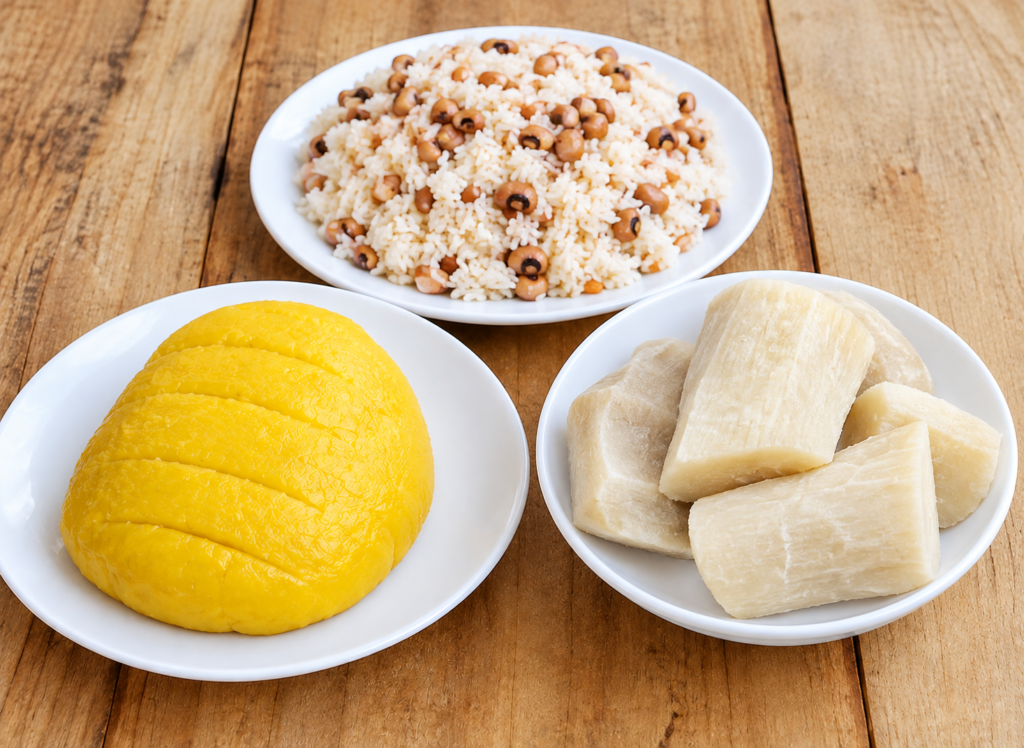
Groundnuts are a useful option for anyone looking to increase their energy intake without eating very large portions of food. They contain healthy unsaturated fats, plant-based protein, and other nutrients, making them more than just a convenient snack.
Because fats provide more energy per gram than carbohydrates or protein, groundnuts can add considerable energy to a meal or snack in a relatively small serving. This can be helpful for people who struggle to eat larger quantities of food.
In Nigeria, groundnuts are easy to enjoy in several ways. You can eat them as a snack, add them to a homemade smoothie, or use groundnut paste in suitable dishes. They can also be paired with foods such as bananas for a simple snack between meals.
However, groundnuts alone cannot provide everything your body needs. They work best as part of a varied diet that includes other protein sources, fruits, vegetables, and staple foods.
Budget tip: Compare the cost of loose groundnuts with packaged options. Choose fresh groundnuts from a reliable seller, and avoid any that look mouldy, damp, or spoiled.
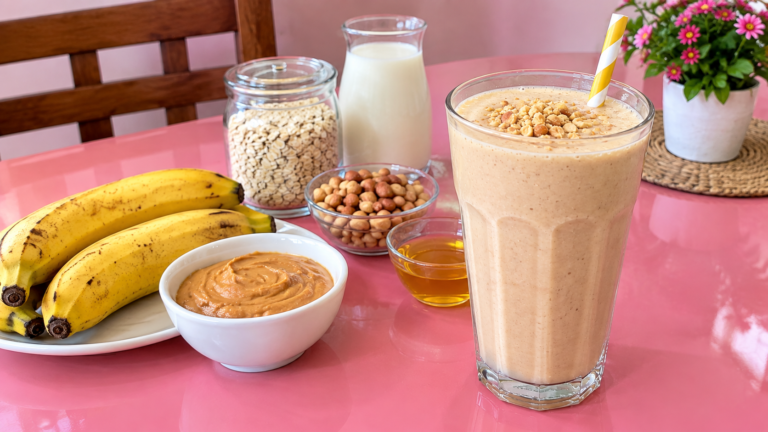
See Also: High-Calorie Nigerian Peanut Butter Smoothie for Healthy Weight Gain
7. Sweet Potatoes
Sweet potatoes are an affordable, versatile food that can add energy and important nutrients to your diet. They provide carbohydrates, fibre, and, particularly in orange-fleshed varieties, beta-carotene, which the body can convert into vitamin A.
One reason to include sweet potatoes in your meals is that they can be prepared in different ways without requiring expensive ingredients. You can boil, roast, or bake them, or add them to a balanced meal with eggs, beans, fish, or vegetables.
For example, boiled sweet potatoes served with egg sauce make a straightforward meal. You could also enjoy roasted sweet potatoes with beans or another protein-rich accompaniment to create a more satisfying combination.
Sweet potatoes are not a magic solution for weight gain, but they can help you meet your energy needs when eaten in suitable portions alongside other nutritious foods.
Budget tip: Buy sweet potatoes when they are plentiful and compare prices with other local staples. Boiling or roasting them can also help you prepare a filling meal without spending extra money on cooking oil.
8. Moi Moi
Moi Moi is more than a familiar Nigerian delicacy; it is also a useful way to include plant-based protein in your diet. Made primarily from beans, it provides protein, carbohydrates, fibre, and important nutrients such as folate and iron. The exact nutritional value depends on the ingredients and preparation method.
Protein is essential for building and repairing body tissues, including muscles. According to the Harvard T.H. Chan School of Public Health, legumes such as beans are valuable sources of plant protein and can contribute to a healthy eating pattern.
One advantage of Moi Moi is that you can prepare it with ingredients such as eggs, fish, or other affordable additions to increase its nutritional variety. It also pairs well with rice, pap, or other staple foods, making it easy to incorporate into everyday Nigerian meals.
If you are trying to gain weight, eating Moi Moi alongside other foods can help you increase your overall food intake while providing useful nutrients. However, the amount of energy it provides depends on the serving size and ingredients used.
Budget tip: Prepare Moi Moi at home using beans and ingredients you can afford. Making several portions at once can help you plan meals ahead and reduce the temptation to buy more expensive alternatives.
9. Soybeans
Soybeans deserve a place on this list because they provide plant-based protein, unsaturated fats, and several essential nutrients. Compared with many other legumes, soybeans are particularly rich in protein, making them a useful option for people who want to support their nutritional needs on a budget.
Protein helps the body build and maintain muscle, but eating protein alone does not automatically lead to muscle growth or weight gain. Your overall food intake, physical activity, and other nutritional needs also matter.
In Nigeria, soybeans can be used to prepare soy milk, added to suitable recipes, or processed into other foods. They can also be combined with other affordable ingredients to make meals more varied.
Research on soy protein indicates that it can support muscle protein synthesis, particularly when consumed as part of an adequate diet. However, the effect depends on factors such as total protein intake and physical activity; soybeans are not a guaranteed weight-gain solution.
Budget tip: Compare the cost of soybeans with other protein sources available in your area. If you prepare soy milk at home, use safe preparation and storage practices, and remember that homemade versions may differ nutritionally from fortified commercial products.

10. Bananas
Bananas are a convenient fruit to include in a balanced diet, especially when you need a quick snack between meals. They provide carbohydrates for energy, potassium, and vitamin B6. They also contain fibre, which supports normal digestive function.
Although bananas are nutritious, eating them alone does not necessarily lead to weight gain. They can, however, contribute to your overall energy intake when combined with other foods and eaten regularly as part of a balanced diet.
For example, you can blend a banana with milk and groundnut paste to make a filling smoothie. Another option is to eat a banana alongside groundnuts or enjoy it with a meal containing eggs, beans, or another protein source.
Bananas are also convenient because they require little preparation, making them suitable for people with busy schedules. Choose ripe bananas for a naturally sweet snack, or use them in smoothies when you want to combine several ingredients in one serving.
Budget tip: Buy bananas when they are in season and reasonably priced. If you purchase more than you can eat immediately, use the ripe ones in smoothies or other recipes before they spoil.
11. Palm Oil
Palm oil is commonly used in Nigerian cooking, particularly in dishes such as beans porridge, vegetable soups, and traditional stews. Because fats provide more energy per gram than carbohydrates or protein, palm oil can increase the energy content of a meal when used in cooking.
Palm oil also contains vitamin E compounds and carotenoids, including beta-carotene in unrefined red palm oil. The amount of these nutrients retained in the final meal depends on the type of oil, processing, storage, and cooking method.
However, more oil does not automatically mean a healthier diet. Palm oil contains a substantial amount of saturated fat, so it is best used in moderate quantities as part of a varied eating pattern. You can support healthy weight gain without adding excessive amounts of oil to every meal.
For example, a moderate amount of palm oil in beans porridge can contribute energy while the beans provide protein and fibre. Adding vegetables or another suitable ingredient can make the meal more varied.
Budget tip: Use the amount of palm oil your recipe needs rather than pouring in extra oil simply to increase calories. Foods such as groundnuts, beans, eggs, and soybeans can also help you obtain energy and other valuable nutrients.
12. Milk
Milk can be a useful addition to a weight-gain diet because it provides protein, calcium, and other essential nutrients. Depending on the type, it also supplies varying amounts of fat and energy.
Protein supports the growth and repair of body tissues, while calcium is important for healthy bones and teeth. Milk can therefore contribute to your overall nutritional needs while helping you build more variety into your meals and snacks.
In Nigeria, you can use milk in pap, oats, cereal, or homemade smoothies. You can also blend it with bananas and groundnut paste to prepare a filling drink. The energy content will depend on the type and quantity of milk and the other ingredients you use.
You do not necessarily need expensive milk products to eat well. Choose an option that fits your budget and dietary needs. If you have difficulty digesting lactose, lactose-free milk or suitable fortified alternatives may be options to consider. Keep in mind that plant-based drinks differ in protein and other nutrients, so check their labels when comparing them.
Budget tip: Compare the cost per serving of available milk products rather than looking only at the package price. Follow the preparation and storage instructions on the label, especially for powdered milk.
How to Combine These Foods for Healthy Weight Gain
Choosing affordable foods is a good starting point, but how you combine them also matters. A balanced meal can provide carbohydrates for energy, protein for growth and tissue repair, and fats that help your body absorb certain vitamins.
You don’t need to prepare complicated meals or buy expensive ingredients to achieve this. Many familiar Nigerian dishes already combine several useful food groups. The goal is to eat a variety of foods throughout the day and adjust your portions according to your appetite, activity level, and nutritional needs.

1. Beans and Ripe Plantain
Beans and ripe plantain make a practical combination for anyone trying to improve their food intake on a budget. Beans provide plant-based protein, fibre, and carbohydrates, while plantain supplies additional carbohydrates and other nutrients.
You can prepare beans porridge and serve it with boiled or roasted ripe plantain. If your budget allows, adding vegetables or another suitable ingredient can increase the variety of nutrients in the meal.
This combination is particularly useful because both ingredients are familiar in Nigerian kitchens and can be prepared in different ways to suit your preferences.
2. Rice, Beans, and Eggs
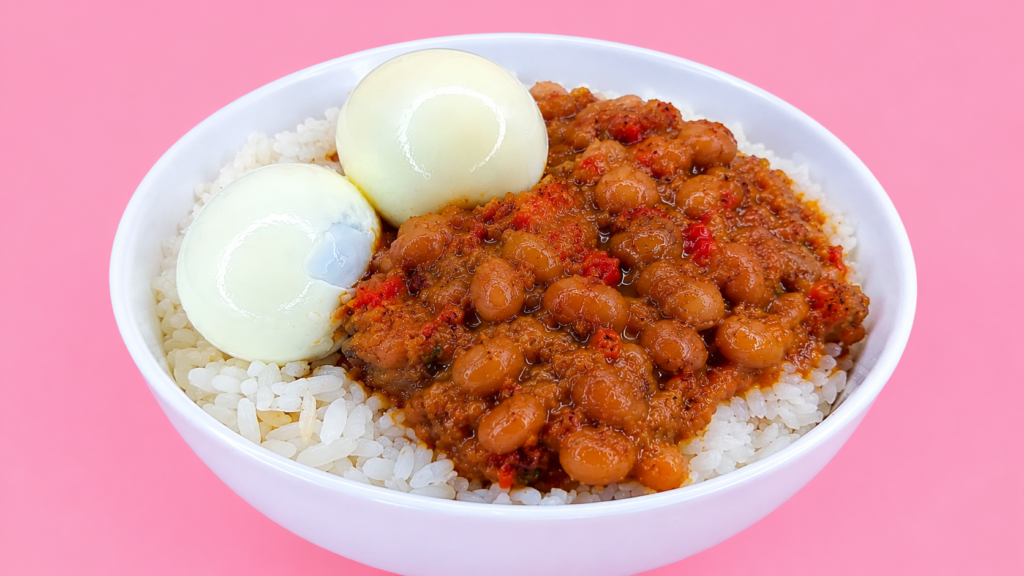
Rice, beans, and eggs can form a satisfying meal using ingredients available in many Nigerian markets. Rice supplies carbohydrates, beans contribute plant protein and fibre, and eggs provide high-quality protein along with nutrients such as vitamin B12 and choline.
You could serve rice and beans together with a boiled egg or a modest portion of egg sauce. Add vegetables when available to make the meal more varied.
The advantage of this combination is that it brings together different nutrients without requiring a complicated recipe. You can also adjust the quantities to suit your appetite and budget.
3. Yam and Egg Sauce
Boiled yam served with egg sauce is another straightforward meal that can support a balanced diet. Yam provides carbohydrates for energy, while eggs supply protein and several essential nutrients.
To prepare the sauce, you can use eggs, tomatoes, onions, and a suitable amount of cooking oil. If affordable, add leafy vegetables or serve them on the side.
This meal is easy to adapt depending on what you have at home. You can also substitute eggs occasionally with beans, fish, or another available protein source to introduce variety and manage your food expenses.
4. Soaked Garri with Groundnuts and Milk
For people who enjoy soaked garri, adding groundnuts and milk can turn a simple snack into a more substantial option. Garri provides carbohydrates, groundnuts contribute energy, unsaturated fats, and plant protein, while milk adds protein and calcium.
The nutritional value depends on the quantities used and the type of milk you choose. You can adjust the ingredients to suit your budget without assuming that a larger serving is always necessary.
Remember to use safe drinking water when preparing soaked garri and to choose ingredients that are suitable for your dietary needs. If you prefer a different snack, a banana with groundnuts or a homemade smoothie can also be a practical alternative.
How to Eat for Weight Gain on a Tight Budget
Trying to gain weight on a limited budget can be challenging, especially when food prices keep changing. However, you don’t have to depend on expensive supplements, imported foods, or costly meal plans to improve your diet.
A more practical approach is to make good use of affordable local foods, plan your meals ahead, and combine ingredients that provide different nutrients. Small, consistent changes to your eating habits can help you meet your nutritional needs without putting unnecessary pressure on your finances.
1. Plan Your Meals Before Shopping
Going to the market without a plan can make it easier to spend money on foods you don’t really need. Before shopping, consider the meals you want to prepare over the next few days and list the ingredients required.
For example, a bag of beans could provide ingredients for plain beans, beans porridge, or Moi Moi, while rice could be used for several different meals. Planning in this way helps you make better use of what you buy.
You don’t need to create a complicated weekly menu. Even a simple plan for breakfast, lunch, dinner, and snacks can help you manage your food budget more effectively.
2. Choose Affordable Sources of Protein
Protein is important for maintaining and repairing body tissues, including muscles. However, meeting your protein needs doesn’t necessarily mean buying expensive cuts of meat or eating fish at every meal.
Depending on local prices, beans, eggs, groundnuts, soybeans, and other legumes can provide useful sources of protein. You can rotate these foods throughout the week to add variety while keeping costs manageable.
For example, you might eat beans porridge one day, rice with eggs another day, and Moi Moi on a different day. Choose combinations that suit your budget, preferences, and nutritional needs.
3. Buy Fruits and Vegetables When They Are in Season
The prices of fruits and vegetables in Nigeria can vary depending on the season, location, and availability. Buying produce when it is plentiful may help you get better value for your money.
Rather than insisting on one particular fruit or vegetable throughout the year, consider affordable alternatives available in your local market. Bananas, oranges, leafy vegetables, and other seasonal produce can contribute important vitamins, minerals, and fibre to your meals.
Frozen vegetables can also be useful when they are affordable and accessible. The important thing is to include a variety of fruits and vegetables in your diet instead of spending your entire food budget on only a few ingredients.
4. Prepare More Meals at Home
Preparing meals at home gives you more control over the ingredients, portion sizes, and amount of oil used in your cooking. It can also help you reduce how often you spend money on restaurant meals.
For example, you could cook beans in a quantity that provides more than one serving, prepare rice to accompany different dishes, or make Moi Moi for several meals.
However, preparing food in advance only saves money when you store it safely. Refrigerate cooked food promptly, use suitable containers, and reheat leftovers thoroughly. Avoid leaving cooked food at room temperature for extended periods, particularly in hot weather.
5. Reduce Food Waste and Use Leftovers Wisely
Throwing away food means losing both the money spent on ingredients and the opportunity to use those nutrients in another meal.
Try to buy quantities you can realistically finish, store ingredients properly, and plan how to use leftovers before preparing another dish. For example, leftover beans can be incorporated into another meal, provided they have been stored safely.
You can also freeze suitable portions of cooked food for later use if you have access to a freezer. These small habits may help your food budget go further without requiring you to compromise on variety or nutritional quality.
Common Mistakes to Avoid When Trying to Gain Weight
When you’re trying to gain weight, it’s easy to focus entirely on eating more without paying attention to the quality of your diet. However, your food choices, eating habits, and overall nutritional intake all play a role in supporting your health.
Avoiding a few common mistakes can help you make better decisions, use your food budget wisely, and develop eating habits that are easier to maintain over time.
1. Depending on One Food to Gain Weight
Eating beans, rice, yam, or groundnuts can contribute to your nutritional needs, but no single food provides everything your body requires in the right amounts.
For example, rice supplies carbohydrates, while beans provide plant protein and fibre. Combining different foods throughout the day helps you obtain a wider range of nutrients.
Instead of eating the same food at every meal, aim for variety. You can rotate affordable staples, protein sources, fruits, and vegetables according to what is available and affordable.
2. Neglecting Protein in Your Meals
Carbohydrate-rich foods such as garri, rice, and yam can supply energy, but they generally provide less protein than foods such as eggs, beans, and soybeans.
Protein helps your body build and repair tissues, including muscles. If your meals contain plenty of staple foods but very little protein, you may miss an important part of a balanced diet.
You don’t have to eat expensive protein sources every day. Depending on local prices, beans, eggs, groundnuts, and other legumes can help you include protein in your meals.
3. Relying Too Much on Sugary Drinks and Sweets
Sugary drinks and sweets can provide energy, but they generally offer fewer essential nutrients than a varied meal. Relying heavily on them to increase your energy intake can leave less room in your diet for foods that supply protein, vitamins, minerals, and fibre.
A better approach is to obtain much of your energy from a combination of staple foods, protein sources, healthy fats, and other nutrient-rich ingredients.
For example, a homemade smoothie containing milk, banana, and groundnut paste can provide protein and other nutrients alongside energy, depending on the ingredients used. You can also choose filling meals such as beans porridge, rice with eggs, or yam with egg sauce.
4. Skipping Meals When You Struggle to Eat Enough
Some people find it difficult to eat enough food during the day, especially when they have busy schedules or feel full quickly. Regularly missing meals can make it harder to meet their overall energy and nutritional needs.
If large meals feel uncomfortable, try eating smaller meals more frequently or including nutritious snacks between meals. Options such as bananas with groundnuts, boiled eggs, or yoghurt may be convenient, depending on your budget and dietary needs.
You don’t need to follow a rigid eating schedule. Find a routine that fits your daily activities and helps you eat enough without feeling forced to overeat.
5. Expecting Results Overnight
Healthy weight gain usually takes time. Your progress can depend on factors such as your usual food intake, activity level, age, health, and individual nutritional needs.
Rather than expecting a dramatic change in a few days, focus on eating balanced meals consistently and making practical adjustments you can maintain. Getting enough sleep and engaging in appropriate physical activity can also support your overall health.
If you are losing weight without trying, have a persistent poor appetite, or struggle to gain weight despite eating adequately, consider speaking with a qualified healthcare professional. An underlying health issue may need attention.
Frequently Asked Questions About Cheap Nigerian Foods for Healthy Weight Gain
1. What is the cheapest Nigerian food for healthy weight gain?
Beans, garri, rice, yam, and groundnuts can be affordable options. Combine carbohydrate-rich foods with protein and healthy fats for balanced meals.
2. Can I gain weight by eating Nigerian foods?
Yes. Eating enough food consistently, including protein, carbohydrates, and fats, can support gradual weight gain.
3. How can I gain weight without spending too much?
Plan meals, buy seasonal produce, cook at home, and use affordable foods such as beans, eggs, rice, and groundnuts.
4. How long does healthy weight gain take?
Progress varies from person to person. Focus on consistent, balanced meals rather than expecting rapid results. Seek medical advice for unexplained weight loss or persistent poor appetite.
Final Take
Healthy weight gain does not have to be expensive. Nigerian staples like beans, eggs, rice, yam, groundnuts, and milk can help you build nourishing meals on a budget. Start with foods you can afford, eat consistently, and aim for variety. For more practical ideas, explore our 7-Day Nigerian Weight Gain Meal Plan.
Health Disclaimer
This article is for educational purposes only and is not a substitute for professional medical advice. If you have an underlying health condition, unexplained weight loss, or ongoing difficulty gaining weight, consult a qualified healthcare professional.