The Economics of Healthy Eating: How to Eat Healthy in Nigeria on a Budget
Eating healthy in Nigeria can sometimes feel expensive, especially when many people associate nutritious food with imported products, expensive supplements, and specialty health foods. From oats and Greek yoghurt to avocados and olive oil, the cost of maintaining a healthy diet can make it seem like eating well is a luxury rather than an everyday necessity.
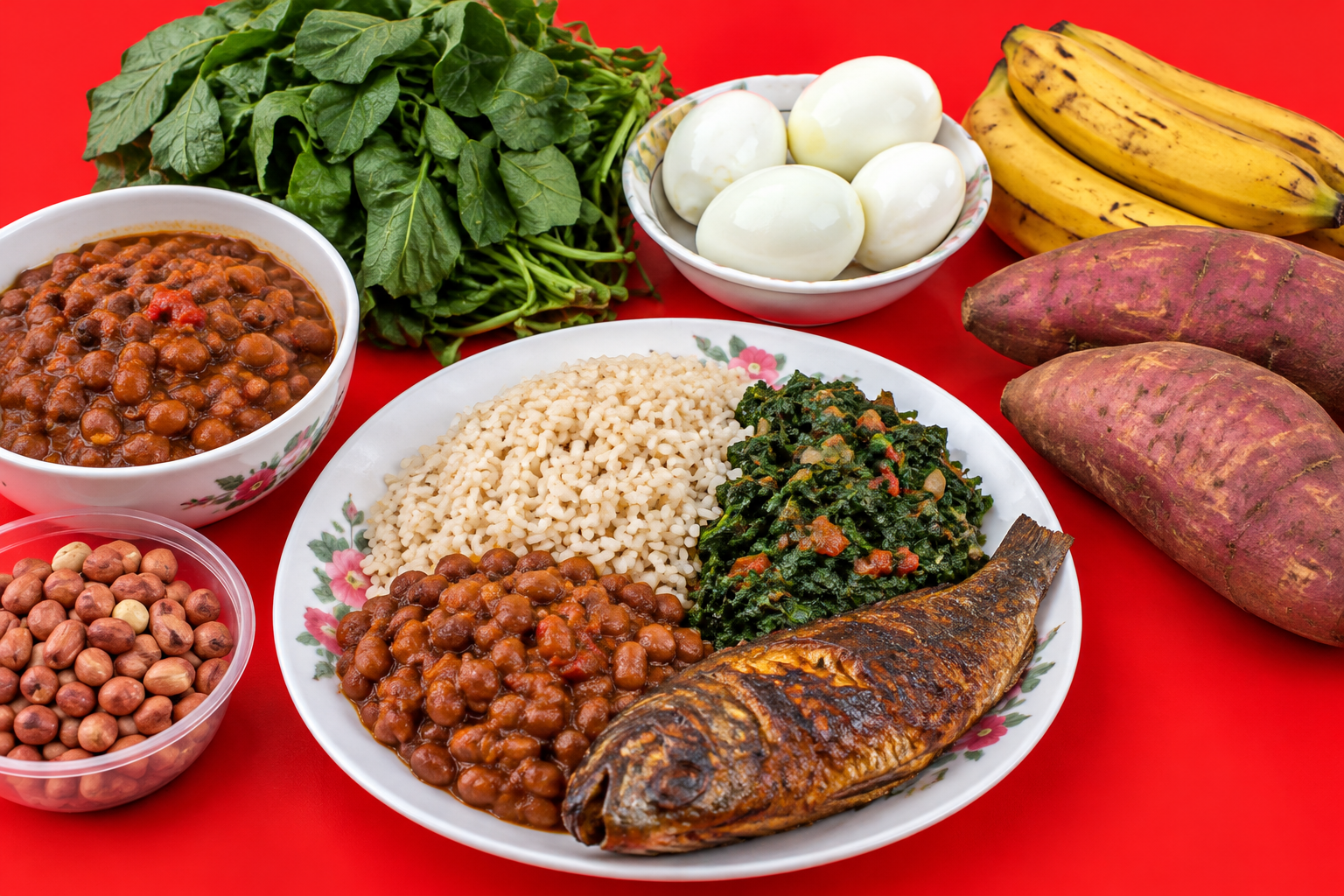
However, healthy eating on a budget in Nigeria is possible without spending a fortune on food. Many affordable local foods, including beans, eggs, sweet potatoes, garden eggs, ugu, and other seasonal vegetables, provide essential nutrients that support overall health. The key is to know what to buy, how to combine different foods, and how to plan your meals around your budget.
Whether you are a student, a busy professional, a parent managing household expenses, or simply someone looking to improve your eating habits, you do not need to rely on expensive imported superfoods to eat well. With thoughtful shopping, simple meal planning, and a better understanding of local food options, you can make nutritious choices while keeping your expenses under control.
In this guide, EatSmartNaija explores affordable Nigerian foods, practical shopping strategies, and simple meal-planning tips to help you eat well without putting unnecessary pressure on your finances.
What Does Healthy Eating on a Budget Mean?
Healthy eating on a budget means choosing foods that provide your body with essential nutrients without spending more than you can afford. It involves making thoughtful food choices, planning your meals, and getting the best nutritional value from the money available to you.
In Nigeria, eating healthily does not mean you must buy expensive imported foods, organic products, or special health supplements. Everyday local foods such as beans, eggs, sweet potatoes, rice, groundnuts, ugu, okra, and seasonal fruits can contribute to a balanced diet.
The goal is to eat a variety of foods that provide carbohydrates for energy, protein for growth and tissue repair, healthy fats, vitamins, minerals, and fibre. No single food needs to provide everything your body requires. Instead, combining different foods throughout the day helps you obtain a wider range of nutrients.
Why Your Food Choices Matter More Than Expensive Labels
Some foods are marketed as superfoods because they contain particular nutrients. However, you do not necessarily need to spend extra money on imported products to obtain those nutrients.
For example, beans are an affordable source of plant-based protein and fibre. Groundnuts provide energy, fats, and some protein, while locally available vegetables such as ugu and green amaranth contribute vitamins and minerals. Sweet potatoes provide carbohydrates and can also supply beta-carotene, particularly in orange-fleshed varieties.
These foods have different nutritional benefits, so they should not be treated as exact substitutes for one another. The important thing is to choose a variety of nutritious foods that suit your needs and budget.
Healthy Eating Is About Balance, Not Perfection
You do not have to change your entire diet overnight to start eating better. Small, practical improvements can make a difference over time.
For example, you could add vegetables to a meal you already enjoy, include beans more frequently, choose seasonal fruits when they are affordable, or plan your shopping before visiting the market.
You can also enjoy familiar Nigerian meals such as rice, yam, beans, and eba as part of a balanced diet. Their nutritional value depends partly on portion sizes, preparation methods, accompanying foods, and your overall eating pattern.
The bottom line: Eating healthy on a budget is about making informed choices with the money you have, not buying the most expensive food products. When you understand the nutritional value of local foods and plan your meals carefully, healthy eating becomes more practical and sustainable.
Read Also: Nigerian Peanut Butter and Banana Smoothie Recipe
Why Healthy Eating Doesn’t Have to Be Expensive
One common misconception about healthy eating is that it requires expensive ingredients, imported foods, or special dietary products. In reality, many nutritious foods are available in Nigerian markets at prices that may fit different budgets.
The key here is to understand which foods provide essential nutrients, buying seasonal produce when practical, and planning meals around ingredients you can afford.
1. Nigerian Markets Offer Affordable Nutritious Foods
Nigeria has a wide variety of locally available foods that can contribute to a balanced diet. Depending on your location and the season, options such as beans, eggs, sweet potatoes, groundnuts, ugu, and okra may be affordable choices.
Beans provide protein and fibre, eggs provide protein and several essential nutrients, and vegetables contribute vitamins and minerals. Sweet potatoes provide carbohydrates for energy.
Choose the foods that are readily available and affordable in your local market.
2. Seasonal Foods Can Help You Save Money
The prices of fruits and vegetables often change throughout the year because of seasonal availability and supply.
When certain fruits and vegetables are plentiful, they may be more affordable. Choosing seasonal produce can help you enjoy a variety of foods without stretching your budget unnecessarily.
Before shopping, check which fruits and vegetables are affordable in your area and plan your meals around them.
3. You Can Prepare Nutritious Meals Without Expensive Ingredients
Healthy meals do not have to involve complicated recipes or specialty ingredients.
For example, beans served with vegetables can provide protein, carbohydrates, fibre, and other nutrients. Rice served with beans and vegetable-rich stew can also contribute to a balanced meal.
You can improve familiar Nigerian meals by adding vegetables or an appropriate protein source instead of replacing all the foods you normally eat.
4. Planning Your Meals Helps Reduce Food Waste
Buying food without a plan can lead to unnecessary spending, especially when fresh ingredients spoil before you use them.
Before visiting the market, check what you already have at home. Write down the meals you intend to prepare and buy ingredients that can be used in more than one dish.
For example, you could use ugu in vegetable soup and another meal during the week. You could also prepare beans and serve them in different ways.
Store your ingredients properly and refrigerate cooked foods when necessary to reduce spoilage.
5. Expensive Does Not Always Mean More Nutritious
Some imported foods are nutritious, but their higher prices do not automatically make them the best choices for everyone.
You do not necessarily need imported berries to enjoy fruit. Depending on availability and price, oranges, pawpaw, watermelon, and other locally available fruits can provide valuable nutrients.
Similarly, beans, eggs, groundnuts, and local vegetables can contribute important nutrients without requiring you to purchase expensive health foods.
Different foods have different nutritional benefits, so aim for variety rather than searching for one perfect replacement for every expensive product.
The bottom line: Healthy eating can be more affordable when you choose local foods, consider seasonal prices, plan your meals, and reduce food waste. Start with small changes and build eating habits that work for both your nutritional needs and your budget.
12 Affordable Nigerian Foods for Healthy Eating
Eating nutritious meals does not always require expensive ingredients. Many familiar Nigerian foods provide essential nutrients and can be included in a balanced diet without relying on imported products.
The key is to choose a variety of foods that supply protein, carbohydrates, healthy fats, vitamins, minerals, and fibre. The following 12 options can help you make nutritious food choices while working within your budget.

1. Beans
Beans are an excellent source of plant-based protein, carbohydrates, and dietary fibre. They can help make meals satisfying while providing the nutrients needed for normal growth and body function.
You can prepare beans as porridge, serve them with rice, or enjoy them alongside other foods. Buying dried beans and cooking them at home may also be economical, depending on local prices and preparation costs.
2. Eggs
Eggs provide high-quality protein and nutrients such as vitamin B12 and choline.
They are versatile and can be boiled, scrambled, or added to vegetable dishes. Compare prices in your local market to determine whether eggs fit your budget.
3. Sweet Potatoes
Sweet potatoes provide carbohydrates for energy. Orange-fleshed varieties are also rich in beta-carotene, which the body can convert into vitamin A.
You can boil, roast, or bake sweet potatoes and serve them with eggs, beans, fish, or vegetables for a more varied meal.
4. Groundnuts
Groundnuts contain unsaturated fats, protein, and other nutrients. They are also energy-dense, meaning a relatively small serving supplies considerable energy.
Enjoy them in sensible portions as a snack or use groundnut paste in suitable dishes. Choose plain groundnuts more often than heavily salted varieties.
5. Ugu and Other Leafy Vegetables
Ugu, also known as fluted pumpkin leaves, is commonly used in Nigerian cooking. It provides vitamins, minerals, and fibre.
Other leafy vegetables, including green amaranth, can also contribute to a nutritious diet. Add them to soups, stews, or vegetable-based dishes, choosing whichever options are affordable and available.
6. Okra
Okra provides fibre and contains vitamins and minerals. Its characteristic texture also makes it useful for preparing traditional Nigerian soups.
You can combine okra with other vegetables and suitable protein sources, such as fish or beans, to create a more varied meal.
7. Sardines and Mackerel
Sardines and mackerel provide protein and fats. Oily fish are also useful sources of omega-3 fatty acids.
Fresh, frozen, and canned options may differ in price and nutritional composition. Compare available products and check labels where appropriate, particularly for sodium content in canned fish.
Serve fish with rice, yam, potatoes, or other staples and vegetables to create a balanced meal.
8. Rice
Rice is a familiar source of carbohydrates that provides energy. White rice and brown rice differ in their fibre and nutrient content, but either can fit into a balanced eating pattern.
For a more varied meal, serve rice with beans, vegetables, and a protein source. You do not need to eliminate rice simply because you want to eat healthily.
9. Garden Eggs
Garden eggs are commonly eaten in Nigeria and provide fibre and other nutrients.
They can be enjoyed as a snack or served with a suitable sauce or other foods. Their price and availability vary by location and season, so buy them when they offer good value.
10. Pawpaw
Pawpaw provides vitamin C, fibre, and beta-carotene. It can be a convenient way to include fruit in your daily eating pattern.
Choose ripe fruit that is affordable in your area. You can enjoy pawpaw on its own or combine it with other fruits for variety.
11. Bananas
Bananas are one of my favorite fruits. They provide carbohydrates, potassium, and vitamin B6. They are convenient to eat and generally require little preparation.
Enjoy a banana as a snack or alongside foods such as eggs, groundnuts, or plain yoghurt. Compare prices and choose fruit that is in good condition.
12. Garri
Garri is a familiar Nigerian food made from cassava. It provides carbohydrates and energy, and its nutritional composition varies depending on processing.
Garri can be part of a balanced diet when combined with other nutritious foods. For example, eba can be served with vegetable-rich soup and a suitable protein source.
Rather than judging a food in isolation, consider the portion, preparation method, and accompanying ingredients.
How to Get the Most Nutritional Value From These Foods
You do not need to purchase all 12 foods at once. Begin with the options that are affordable and readily available, then combine them to provide variety across your meals.
For example, you could serve beans with vegetables, rice with fish and vegetable-rich stew, or sweet potatoes with eggs. Including different foods throughout the day helps you obtain a broader range of nutrients.
Remember: The most useful budget-friendly foods are those that provide nutritional value, suit your needs, and fit comfortably within your available food budget.
Local Foods vs. Expensive Imported Superfoods
Many people associate healthy eating with imported foods such as chia seeds, quinoa, blueberries, and almond butter. Although these foods can provide valuable nutrients, they are not essential for everyone who wants to eat a balanced diet.
In Nigeria, locally available foods can provide many of the nutrients your body needs at prices that may be more manageable. The best choice depends on the nutritional benefit you are looking for, the local price, and how you intend to use the food.
Here are some practical comparisons to consider when planning your food budget.
1. Groundnuts Instead of Expensive Nut Butters
Almond butter is popular in some healthy eating plans, but groundnuts are a familiar alternative in Nigeria.
Groundnuts provide protein, unsaturated fats, and energy. You can eat them as a snack or use groundnut paste in suitable recipes.
Although groundnuts and almonds have different nutritional profiles, both can contribute useful nutrients to a balanced diet. Compare their prices locally before deciding which offers better value for your needs.
2. Pawpaw and Oranges Instead of Imported Berries
Blueberries and other berries contain beneficial nutrients, but they may be expensive or difficult to find in some Nigerian markets.
Pawpaw, oranges, and other locally available fruits can also contribute vitamins, minerals, and fibre to your diet.
These fruits are not nutritionally identical to berries, but you do not need to rely on one particular fruit to eat healthily. Choose a variety of affordable fruits when possible.
3. Beans Instead of More Expensive Protein Products
Some imported protein products are marketed as convenient ways to increase protein intake. However, ordinary foods can also help meet your protein needs.
Beans provide plant-based protein and fibre and can be used in several Nigerian meals. Eggs, fish, and other locally available protein sources offer additional options.
The best choice depends on your nutritional needs, portion sizes, preparation costs, and the prices available in your area.
4. Local Leafy Vegetables Instead of Expensive Specialty Greens
Vegetables such as ugu, green amaranth, and other locally available leafy greens can contribute vitamins, minerals, and fibre.
You do not have to purchase expensive specialty greens to include vegetables in your meals. Choose fresh produce that is affordable and available, and vary your choices when possible.
5. Sweet Potatoes Instead of More Expensive Specialty Carbohydrates
Sweet potatoes are widely used in Nigerian cooking and provide carbohydrates for energy. Orange-fleshed varieties also supply beta-carotene.
They can be served with eggs, beans, fish, or vegetables to create a varied meal without requiring specialty ingredients.
Other familiar staples, including yam, rice, and cassava-based foods, can also fit into a balanced eating pattern.
How to Decide Whether a Food Is Worth the Money
When comparing local foods with imported alternatives, consider these questions:
- Nutritional value: Which nutrients does the food provide?
- Price: How much does the amount you intend to eat cost?
- Availability: Can you find it reliably in your local market?
- Versatility: Can you use it in several meals?
- Storage: Will it keep well enough to reduce waste?
Remember that a lower price does not automatically mean a food is nutritionally superior. Likewise, a higher price does not guarantee better nutrition.
The bottom line: You can build a nutritious diet without making expensive imported superfoods the centre of your shopping list. Focus on variety, nutritional value, affordability, and foods you can realistically obtain and prepare.
How to Plan Healthy Nigerian Meals on a Budget

Knowing which foods are nutritious is only part of eating well on a budget. You also need a practical plan for buying ingredients, preparing meals, and making the most of the food you have.
With a few simple habits, you can reduce unnecessary spending while enjoying a variety of familiar Nigerian meals.
1. Set a Realistic Food Budget
Before shopping, decide how much you can reasonably spend on food for the week. Your budget should reflect your household size, nutritional needs, location, and available resources.
List your essential food items first, including staple foods, protein sources, vegetables, and fruits. Then allocate the remaining money according to your priorities.
You do not need to copy another person’s food budget. Food prices and household needs differ, so choose an amount that works for your circumstances.
2. Plan Your Meals Before Visiting the Market
Shopping without a plan can lead to unnecessary purchases and food waste.
Before leaving home, decide which meals you intend to prepare during the coming days. Write down the ingredients you need and check your kitchen to avoid buying items you already have.
For example, beans can be prepared as porridge or served with rice. Ugu can be used in vegetable soup, while eggs can accompany bread or boiled sweet potatoes.
Planning meals around ingredients you can use in different ways helps you make better use of your purchases.
3. Compare Prices at Different Markets
Food prices can vary between markets, supermarkets, and neighbourhood shops. Even within the same area, different sellers may offer different prices.
When practical, compare prices before making larger purchases. Consider the quality and quantity of the food, not just the advertised price.
Remember that transportation costs and the time spent travelling also affect the overall savings. A cheaper product in a distant market may not be the better option once these costs are included
4. Buy Seasonal Fruits and Vegetables
Some fruits and vegetables become more affordable when they are plentiful.
Check what is in season and compare the available options before shopping. If pawpaw is more affordable than another fruit, for example, it can be a practical choice for that week.
You can also choose from different leafy vegetables depending on their price and availability.
Buying seasonal produce gives you flexibility without requiring you to follow a rigid shopping list throughout the year.
5. Buy Ingredients You Can Use in Multiple Meals
Ingredients that work in several dishes can help simplify shopping and reduce waste.
For example, beans can be used for porridge and other meals. Rice can accompany different soups and stews, while vegetables can be added to eggs, soups, and sauces.
Before buying an ingredient, consider whether you can use the remaining quantity in another meal.
This approach is particularly helpful when shopping for one person or a small household.
6. Prepare Some Meals in Advance
Preparing selected ingredients ahead of time can reduce the temptation to purchase expensive convenience meals when you are busy.
Depending on your schedule, you could cook beans in batches, wash and prepare vegetables, or make a quantity of soup that can be divided into individual portions.
Refrigerate cooked foods promptly and freeze portions that you will not use soon. Follow appropriate food-storage guidance to reduce the risk of foodborne illness.
Meal preparation does not mean you must cook every meal for the entire week in one day. Start with the foods that are easiest to prepare and store safely.
7. Reduce Food Waste
Food that spoils before you use it represents money spent without receiving its full value.
To reduce waste, buy quantities that match your household’s needs and storage capacity. Keep dry foods in clean, dry, covered containers, and store perishable ingredients appropriately.
You can also plan meals around ingredients you already have before buying more food.
For example, if you have leftover cooked beans that have been stored safely, consider using them in a suitable meal rather than preparing a completely different dish.
8. Build Balanced Meals With Affordable Ingredients
A useful way to plan meals is to combine different food groups rather than relying on one type of food.
For example, you could serve rice with beans and vegetables, boiled yam with eggs and vegetables, or eba with vegetable-rich soup and fish.
The exact combination will depend on your preferences, nutritional needs, and budget. You do not need expensive ingredients to make every meal varied and satisfying.
The bottom line: A realistic food budget, simple meal planning, thoughtful shopping, and proper food storage can help you eat well while reducing unnecessary expenses. Start with one or two changes and gradually develop a routine that works for you.
A Sample Affordable Nigerian Meal Plan
Planning affordable meals becomes easier when you have a few practical examples to follow. You do not need to prepare complicated recipes or purchase expensive ingredients to enjoy a variety of nutritious Nigerian foods.
The following three-day meal plan demonstrates how familiar foods can be combined across breakfast, lunch, dinner, and snacks.
This is a flexible example, not a prescribed diet. Adjust the portions to your appetite, nutritional needs, activity level, and available food budget. The meals and their costs will also vary depending on your location and current market prices.

Day 1
Breakfast: Ogi with akara and a piece of fruit.
Lunch: Rice with beans and vegetable-rich stew.
Dinner: Eba with okra soup and fish.
Snack options: Pawpaw, a banana, or a small serving of groundnuts.
Day 2
Breakfast: Boiled sweet potatoes with eggs and tomatoes.
Lunch: Beans porridge with vegetables.
Dinner: Boiled yam with vegetable sauce and fish.
Snack options: An orange, seasonal fruit, or groundnuts.
Day 3
Breakfast: Bread with eggs and a piece of fruit.
Lunch: Rice with vegetable stew and beans.
Dinner: Boiled plantain with beans or a suitable fish-based sauce.
Snack options: Pawpaw, a banana, or another affordable seasonal fruit.
How to Make This Meal Plan More Affordable
You do not have to buy completely different ingredients for every meal.
For example, you can prepare beans in a quantity suitable for more than one meal, provided you store them safely. Rice can accompany different dishes, while ingredients such as tomatoes, onions, and leafy vegetables can be used in several recipes.
Choose fruits and vegetables based on their availability and price. If one option becomes expensive, select another affordable food that provides useful nutrients.
You can also adjust the meal plan to suit your preferences. If you do not eat a particular food, replace it with an alternative that provides similar nutritional benefits where practical.
Does Healthy Eating Require Three Expensive Meals Every Day?
No. Eating well does not require specialty foods or elaborate recipes.
What matters is obtaining enough food to meet your needs and including a suitable variety of nutrients over time. Depending on your circumstances, simple meals prepared at home may be more economical than frequently purchasing takeaway meals.
Avoid skipping meals simply to save money if doing so leaves you without enough food. Instead, plan purchases carefully, use ingredients efficiently, and seek affordable options that provide adequate nourishment.
The bottom line: A practical meal plan can help you organize your shopping, reduce waste, and make nutritious food choices. Start with familiar Nigerian foods, adapt the examples to your budget, and introduce variety whenever possible.
Common Budget-Eating Mistakes to Avoid
Eating healthy on a budget is not just about choosing inexpensive foods. It also involves making choices that help you obtain enough nutrients, reduce waste, and get good value for your money.
Here are some common mistakes to watch out for when planning affordable Nigerian meals.
1. Choosing Foods Based on Price Alone
Buying the cheapest available food may seem like the best way to save money, but price is only one factor to consider.
Your meals should also provide a suitable variety of nutrients. For example, relying mainly on one staple food without including other food groups can make it more difficult to obtain all the nutrients your body needs.
Whenever possible, combine affordable staples such as rice, yam, or garri with protein sources, vegetables, and other foods that fit your budget.
2. Believing Healthy Food Must Be Imported
Imported products can be nutritious, but they are not essential for everyone who wants to eat well.
Local foods such as beans, eggs, groundnuts, sweet potatoes, ugu, and seasonal fruits can all contribute to a balanced diet.
Rather than spending money on a product simply because it is advertised as a superfood, consider its nutritional benefits, price, and whether it meets your needs.
3. Buying More Fresh Food Than You Can Use
Purchasing large quantities of fruits and vegetables may appear economical, but it can lead to waste if the food spoils before you eat it.
Buy quantities that suit your household size and storage facilities. If you shop weekly, consider which ingredients will keep well and which ones you should use first.
Planning meals around the food you already have can also help prevent unnecessary purchases.
4. Ignoring Affordable Protein Sources
Protein is important for growth, tissue repair, and other normal body functions.
However, some people assume that obtaining enough protein requires expensive supplements or specialty foods.
Affordable options may include beans, eggs, groundnuts, and locally available fish, depending on current prices and your nutritional needs.
Include a variety of protein sources when possible rather than relying on a single food.
5. Following Expensive Diet Trends Without Considering Your Needs
Social media can make certain diets and specialty products appear necessary for good health.
However, a diet that works for one person may not suit another person’s preferences, budget, or nutritional needs.
Before spending money on special products, consider whether ordinary foods can meet the same practical need. If you have a medical condition requiring a specific diet, seek advice from a qualified healthcare professional.
6. Failing to Plan Meals Ahead
Shopping without a plan can lead to impulse purchases, repeated trips to the market, and unnecessary food waste.
A simple weekly meal plan can help you decide which ingredients to buy and how to use them across several dishes.
You do not need to plan every detail perfectly. Even deciding on a few main meals before shopping can make your food budget easier to manage.
The bottom line: Avoiding these common mistakes can help you make better use of your food budget while maintaining variety and nutritional balance. Focus on practical choices you can sustain rather than expensive products or complicated eating rules.
Frequently Asked Questions About Healthy Eating on a Budget in Nigeria
1. Can I eat healthy in Nigeria on a small budget?
Yes. You can build a nutritious diet on a limited budget by choosing affordable local foods such as beans, eggs, seasonal vegetables, sweet potatoes, and locally available fruits. Plan your meals around foods you can afford and aim for variety rather than relying on expensive imported products.
2. What are the cheapest healthy foods to buy in Nigeria?
Affordable options may include beans, garri, rice, sweet potatoes, groundnuts, eggs, and seasonal vegetables. Prices vary by location and season, so compare what is available in your local market and choose foods that offer good nutritional value for their cost.
3. Do I need expensive superfoods to eat healthily?
No. Although foods such as chia seeds, quinoa, and blueberries can provide useful nutrients, they are not essential for everyone. Nigerian foods such as beans, groundnuts, leafy vegetables, and seasonal fruits can also contribute to a balanced diet.
4. How can I reduce my food expenses without compromising nutrition?
Plan your meals before shopping, compare prices, buy seasonal produce, use ingredients in several dishes, and store food properly to reduce waste. Include a variety of affordable foods rather than relying mainly on one staple.
5. Is rice healthy to eat regularly?
Rice can be part of a balanced diet. It provides carbohydrates for energy, and both white and brown rice can fit into healthy eating patterns. For a more varied meal, combine rice with foods such as beans, fish, eggs, and vegetables.
6. Are local Nigerian foods nutritious enough for a healthy diet?
Many Nigerian foods provide important nutrients. Beans, eggs, fish, leafy vegetables, fruits, and familiar staples can all contribute to a balanced diet. The key is to eat a suitable variety of foods in amounts that meet your nutritional needs.
7. Is eating healthy more expensive than eating regular Nigerian meals?
Not necessarily. The cost depends on the foods you choose, where you shop, and how you prepare your meals. Using affordable local ingredients, planning purchases, and reducing waste can help make nutritious eating more manageable.
8. How can I start eating healthier if I have very little money?
Start with small, realistic changes. Plan meals around affordable foods, include vegetables when possible, choose accessible protein sources, and use ingredients efficiently. You do not have to change your entire diet at once to begin making more nutritious choices.
Conclusion: Healthy Eating on a Budget Is Possible
Eating healthy in Nigeria does not have to mean spending a fortune on imported foods, expensive supplements, or specialty health products. With the right approach, you can make nutritious food choices using familiar local ingredients that fit your budget.
Foods such as beans, eggs, groundnuts, sweet potatoes, fish, leafy vegetables, and seasonal fruits can contribute to a balanced diet. By planning your meals, comparing market prices, choosing seasonal produce, and reducing food waste, you can make better use of the money you spend on food.
Remember that healthy eating is not about buying the most expensive products or following every new diet trend. It is about choosing a variety of foods that provide essential nutrients and suit your needs, preferences, and financial circumstances.
You do not have to change everything at once. Start with one practical step, such as planning your meals before shopping or including an affordable vegetable in a meal you already enjoy. Small, consistent improvements can help you develop healthier eating habits over time.
At EatSmartNaija, our goal is to help you make informed food choices using practical, affordable, and locally relevant nutrition information.
Start with what you can afford, make thoughtful choices, and remember that eating well should be practical and sustainable.
Medical Disclaimer
The information provided by EatSmartNaija is for educational and informational purposes only and should not be considered medical advice. Everyone has different nutritional needs, health conditions, and financial circumstances. If you have a medical condition, specific dietary requirements, or concerns about your nutrition, consult a qualified healthcare professional for personalized guidance.
